We want to create the biggest online listing collection of Ice Hotels around the world!
Please add you short stay ice hotel rentals now.
What is more unique than putting yourself to sleep while sleeping in a building made of ice ? Exaclty, almost nothing. However, finding an ice hotel can be stressful, so that's why we have collected the most beautuful ice hotels from around the world, so that you can book is stress free and within minutes.
11 Ice Hotels found
Europe
Finland
Norway
Romania
Slovenia
Sweden
List your ice hotel on this page?
Add linkIce hotels: sleeping inside a work of art that melts every spring
Few places to stay have a lifespan of a single winter. An ice hotel is built from scratch when the cold arrives, welcomes guests for a few months, and then slowly turns back into water when the sun returns. The next winter, a completely new hotel rises in its place, with new rooms, new sculptures and new ideas.
This guide explains how these buildings come to life, what the night itself is really like, and how to plan a stay you will remember for the right reasons.
Where ice hotels are found
Ice hotels need reliable, long-lasting frost, so they are found in places where winter is serious. The best known are in the Arctic north of Sweden, Finland and Norway, the region often called Lapland, where the long, dark winter gives builders months of stable cold. Canada has its own tradition of ice construction, and ice hotels have also appeared in the mountains of Romania and in other cold regions where lakes freeze hard and snow falls deep.
Built new every winter
The construction of an ice hotel is a race against the calendar. Work usually begins once temperatures have dropped far enough and stayed there. Large blocks of clear ice are cut from a frozen river or lake, stored, and later carved into walls, pillars, furniture and decorations. The main structure is often made from a mix of snow and ice, sometimes called snice, which is sprayed or packed over curved forms. Once it freezes solid, the forms are removed and the vaulted halls and corridors remain.
Then the artists arrive. Many ice hotels invite sculptors, designers and architects to create individual art suites, each with its own theme. One room might be filled with carved animals, another with abstract shapes lit from within, another with a whole frozen landscape. Because the art is different every year, returning guests never sleep in the same room twice.
Most ice hotels also have an ice bar, where drinks are served in glasses made of ice, and some have an ice chapel or ceremony hall. Even if you are not staying overnight, many places offer day visits or guided tours of the rooms.
What a night in an ice room is really like
This is the question everyone asks. The inside of an ice hotel is cold, but not as cold as you might fear. The snow and ice walls insulate against the much harsher air outside, so the temperature inside usually stays a few degrees below freezing, no matter how cold the night is. It is still cold enough that you will never forget where you are.
The bed is typically a solid block of ice with a wooden frame or mattress on top, covered with reindeer hides or similar insulating skins. You sleep in a thermal expedition sleeping bag provided by the hotel, often rated for far lower temperatures than the room.
A few practical things surprise first-time guests:
- Bathrooms are not in the ice building. Toilets, showers and saunas are normally in a heated building nearby, so a night-time trip means getting dressed and walking outside.
- Your luggage stays elsewhere. Most hotels offer heated lockers or a warm lounge where you keep your bags, because cold ruins electronics, liquids and cosmetics.
- Less is more in the sleeping bag. Sleep in a thin layer of wool or synthetic base layers, a hat and dry socks. Wearing heavy clothes inside the bag can make you sweat, and damp is what makes you cold.
- Phone batteries drain fast. Keep your phone inside the sleeping bag or leave it in the warm building.
- Mornings are gentle. Many hotels wake guests with a warm drink in bed, followed by a sauna and breakfast in a heated room.
Why most guests book the warm rooms too
One night in ice is usually enough for most people. It is an adventure, not a restful sleep in the usual sense. That is why nearly every ice hotel also offers warm accommodation alongside the ice rooms: heated cabins, chalets, hotel rooms or lodges with ordinary beds and private bathrooms.
A popular approach is to spend one night in an ice room or art suite and the rest of your stay in a warm room. Many places recommend doing the ice night early in your trip, so that if the weather turns or you simply want a comfortable bed afterwards, you have the rest of the stay to recover and enjoy the area.
Dressing for the cold
You will spend a lot of time outdoors in real Arctic or mountain winter conditions. Many hotels rent or lend overalls, boots and mittens, but it pays to arrive prepared. Think in layers: a wool or synthetic base layer, a warm middle layer such as fleece or down, and a windproof outer layer. Add a warm hat, a scarf or neck gaiter, insulated mittens rather than gloves, and thick socks with room to move your toes in your boots. Avoid cotton next to the skin, as it holds moisture and chills you quickly.
Things to do around an ice hotel
An ice hotel is rarely the only reason to visit. The surrounding winter landscapes invite you to stay a few days, and many hotels organise or partner with local guides for:
- Dog sledding and reindeer sleigh rides
- Snowmobile tours across frozen lakes and forests
- Snowshoeing and cross-country skiing
- Ice fishing on a frozen lake
- Ice sculpting workshops, where you try carving yourself
- Evening excursions to look for the northern lights
- Visits to learn about local and Indigenous cultures, such as the Sámi in the Nordic Arctic
A word on the northern lights: in the far north, the aurora borealis can appear on clear, dark nights, and many guests hope to see it. But it depends on solar activity and cloud cover, and no hotel can promise it. Treat it as a bonus, and remember that staying several nights improves your chances.
Timing your visit
The ice hotel season is short. Most open sometime in early winter once construction allows, and close when spring warmth begins to soften the walls. The exact dates change every year with the weather, so always confirm them with the hotel. Early in the season, days in the Arctic are very short, which suits aurora hunting. Later in winter, the light returns, the days are brighter and the full hotel with all its art suites is usually complete. Popular dates such as the winter holidays fill up early, and ice rooms are limited in number, so book well ahead if your dates are fixed.
Questions to ask before you book
- Which dates is the ice hotel expected to be open this season, and are all the art suites ready by then?
- Are the sleeping bag and cold-weather gear included, or does it need to be rented?
- Where are the toilets, showers and sauna, and how far is the walk at night?
- Is there a heated place to store luggage and valuables during the ice night?
- What warm rooms or cabins are available for the other nights of the stay?
- Is there a minimum age for children sleeping in the ice rooms?
- What happens if I cannot sleep and want to move to a warm room during the night?
- Which activities can be booked through the hotel, and how are transfers from the nearest airport or station arranged?
Finding your ice hotel
The ice hotels on this page are grouped by continent, country and region, so you can see at a glance which frozen destinations are within reach. Each link takes you to the provider's own website, where you can check availability for the season and book directly. Do you run an ice hotel, an ice bar with overnight rooms or warm cabins beside one? Add your link to the list for free with the button above and help winter travellers find you.
Looking for an awesome place to spend your holiday?
Or want to advertise your houseboat, lighthouse, treehouse or glamping?
Check these links below!
Blog posts
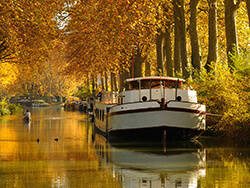
Barge river cruises in France
River cruises in France are the next luxury holiday destination. Cruise your private barge with cook down the French rivers.
Read more..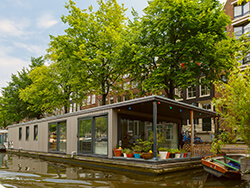
Rent a houseboat in Amsterdam
A houseboat is a great place to stay when visiting Amsterdam. Stay close to the city center but have a lot of private space.
Read more..